Dementia and Immune System Connection: What’s the Link?
If you’re a care partner for someone living with dementia, you’re constantly learning, adapting, and looking for answers that can make a real difference. Recently, scientists have started asking a big question: what does the immune system have to do with dementia? This area of research is growing, and what we’re learning could change how we approach dementia care.
At Bella Groves, we walk alongside families on their dementia journey, providing support and knowledge every step of the way. We believe that understanding the “why” behind the condition through dementia education can empower you as a care partner. Let’s explore this connection between the immune system and brain health together.
What Exactly Is Dementia?
It’s easy to think of dementia as simply memory loss, but it’s much more than that. Dementia isn’t a specific disease, but a general term for impaired ability to remember, think, or make decisions that interfere with everyday activities. It’s different from the normal forgetfulness that can come with age.
There are several types of dementia, and each affects the brain differently. Some of the most common types include:
- Alzheimer’s Disease: The most prevalent type, known for its gradual impact on memory and thinking skills.
- Vascular Dementia: Often caused by reduced blood flow to the brain, which can happen after a stroke.
- Lewy Body Dementia: Involves abnormal protein deposits in the brain, leading to issues with movement, thinking, and sleep.
- Frontotemporal Dementia: Affects the front and side parts of the brain, causing changes in personality and behavior.
Symptoms can range from having difficulty finding the right words to getting lost in familiar places. These changes can be confusing and frustrating for both the person experiencing them and those who love them.
A Quick Look at the Immune System
Think of your immune system as your body’s personal security team. It has two main branches:
- Innate Immunity: This is your first line of defense. It’s the immediate, general response to any foreign invader, like a cold virus. Inflammation is a key part of this response; it’s a sign your body is fighting something off.
- Adaptive Immunity: This is the more specialized team. It learns to recognize specific threats and remembers them, so it can fight them off more effectively in the future.
Inflammation is usually a good thing, helping your body heal. But when it doesn’t turn off, it becomes chronic inflammation, which can cause long-term damage throughout the body, including the brain.
How Are the Immune System and Dementia Connected?
Researchers are discovering that chronic inflammation might play a significant role in neurodegenerative diseases like Alzheimer’s. Here’s how it seems to work:
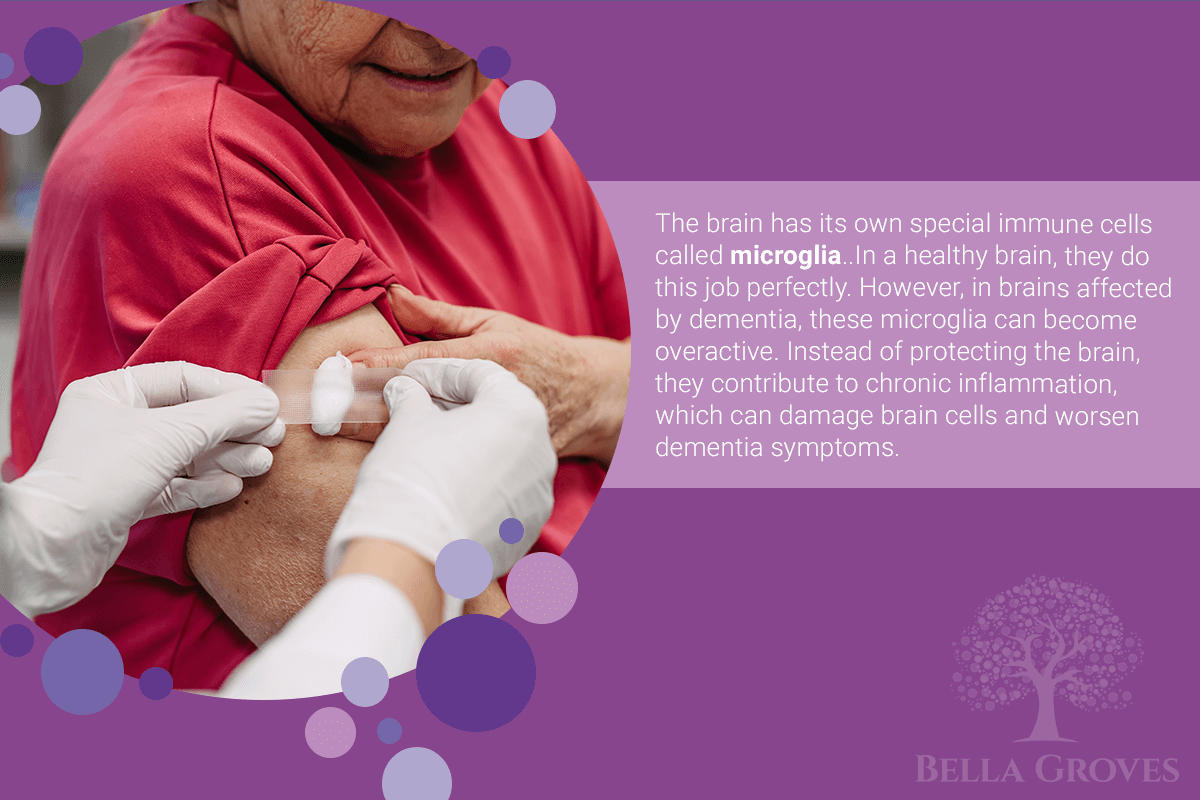
The brain has its own special immune cells called microglia. Their job is to keep the brain clean and healthy by clearing out waste and damaged cells. In a healthy brain, they do this job perfectly. However, in brains affected by dementia, these microglia can become overactive. Instead of protecting the brain, they contribute to chronic inflammation, which can damage brain cells and worsen dementia symptoms.
Genetics may also play a part. Some genes that increase the risk for dementia are also involved in regulating the immune system. This suggests a deep, biological link between how our bodies fight infection and how our brains age.
What This Means for You as a Care Partner
This research might feel very scientific, but it has real-world implications for how you care for your loved one. While there’s no magic cure, supporting a healthy immune system may help support overall brain health.
Here are a few practical things to consider:
- Healthy Lifestyle Choices: A balanced diet rich in fruits, vegetables, and healthy fats (like those in fish and nuts) can help reduce inflammation. Gentle, regular exercise, as approved by a doctor, can also support immune function.
- Managing Infections: Since infections trigger an immune response, managing them promptly is important. This includes staying up-to-date on recommended vaccinations, like the flu shot, and seeking medical care for illnesses.
- Stay Informed: This field of research is constantly evolving. Staying connected to trusted sources can help you understand new developments.
Bella Groves Is Here for Your Family
Navigating the complexities of dementia can feel overwhelming, but you don’t have to do it alone. Bella Groves was founded by local families right here in the Bulverde and San Antonio area who understand the challenges you face. We’re your neighbors, and our mission is to create a community of unconditional joy and support for families affected by dementia.
Whether you need guidance on care strategies, resources to help you at home, or simply a listening ear, we’re ready to be a part of your story. We’re here to provide the knowledge, tools, and compassionate support you need, every step of the way.
Hope for the Future
The dementia and immune system connection offers a new path forward for researchers and hope for families. Each discovery brings us closer to better treatments and, one day, a cure.
Remember, the love and care you provide are the most powerful tools you have. At Bella Groves, we believe that love is greater than dementia. We’re here to help that love shine through, lightening your load and celebrating the humanity of your loved one.
If you have questions regarding dementia education or need support, please reach out. You are not alone on this journey.
Key Takeaways
- Caring for someone with dementia means always seeking new insights, and a fascinating new area of research is exploring the dementia and immune system connection.
- Inflammation—your body’s natural defense—can sometimes go rogue in the brain, with specialized immune cells called microglia actually contributing to the problem.
- At Bella Groves, we’re here to help you navigate these discoveries, offering practical tips and compassionate support every step of the way, because knowing more empowers you.
Rebuilding After Caregiving: Finding Your Sense of Self Again